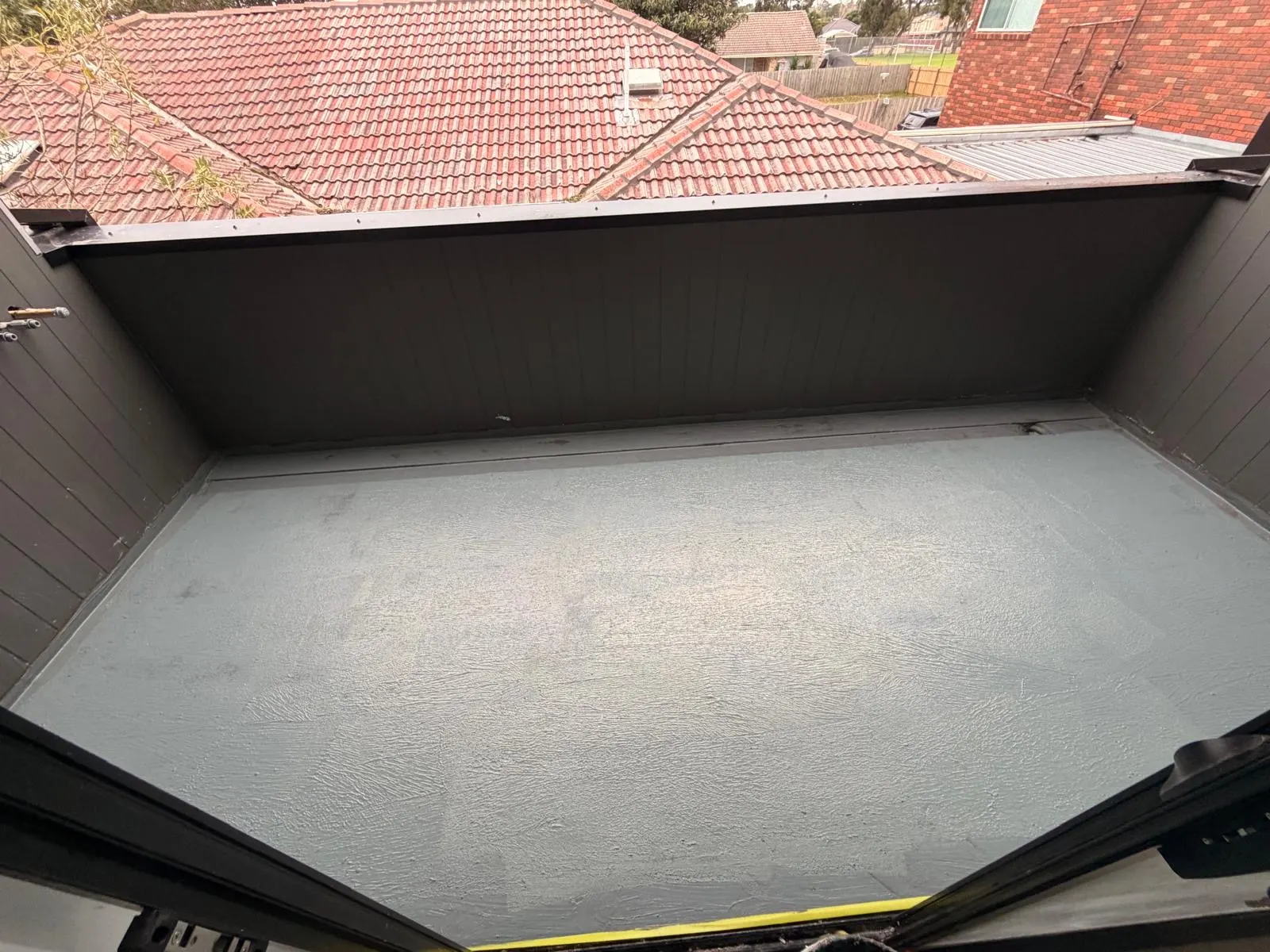
Waterproofing failure is one of the most expensive problems a home can develop, because it's invisible until it isn't. By the time you can see the damage, water has usually been getting into the structure for months, sometimes years. Here's what to actually look for, and what correctly applied waterproofing looks like underneath the tiles.
Early Warning Signs
- Musty smell in a bathroom or near a balcony door that doesn't go away with ventilation or cleaning
- Discoloured or bubbling paint on a ceiling or wall below a bathroom or balcony
- Tiles that sound hollow when tapped, suggesting the adhesive bed underneath has broken down
- Grout that's darkening or staining in patches, even after cleaning
- Soft or spongy flooring near a shower base, bath, or balcony door threshold
- Efflorescence — a white, chalky mineral deposit on tiles, grout, or exposed masonry nearby
- Peeling paint or rust staining on a balcony soffit or the ceiling of the room below it
Why This Matters
- Water damage spreads inside wall cavities long before it's visible on the surface
- Untreated leaks can compromise structural timber and steel over time
- Mould from ongoing moisture is a genuine health issue, not just cosmetic
- A $500 waterproofing repair now is a lot cheaper than a full re-tile and structural repair later
What Correct Waterproofing Actually Looks Like
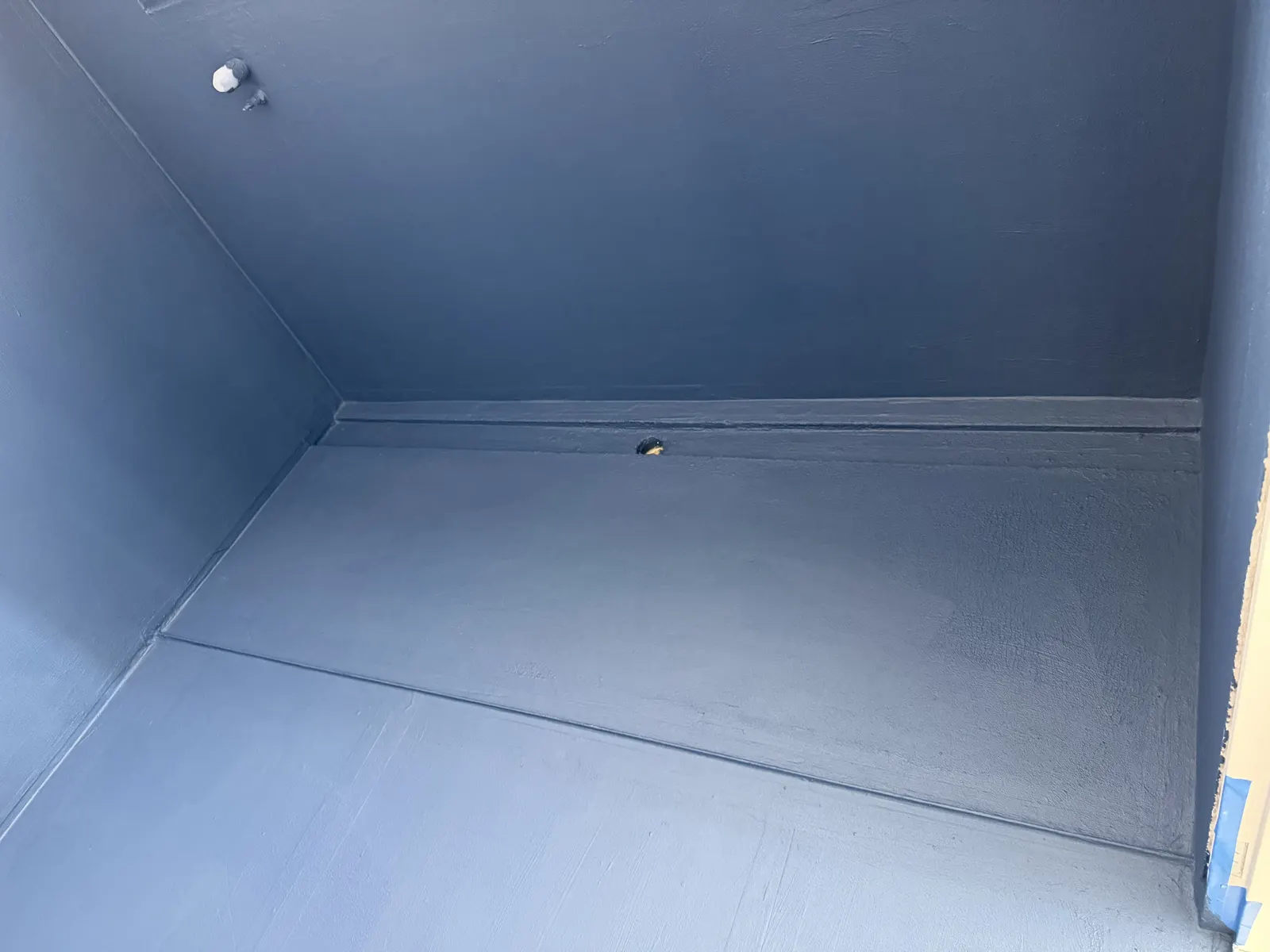
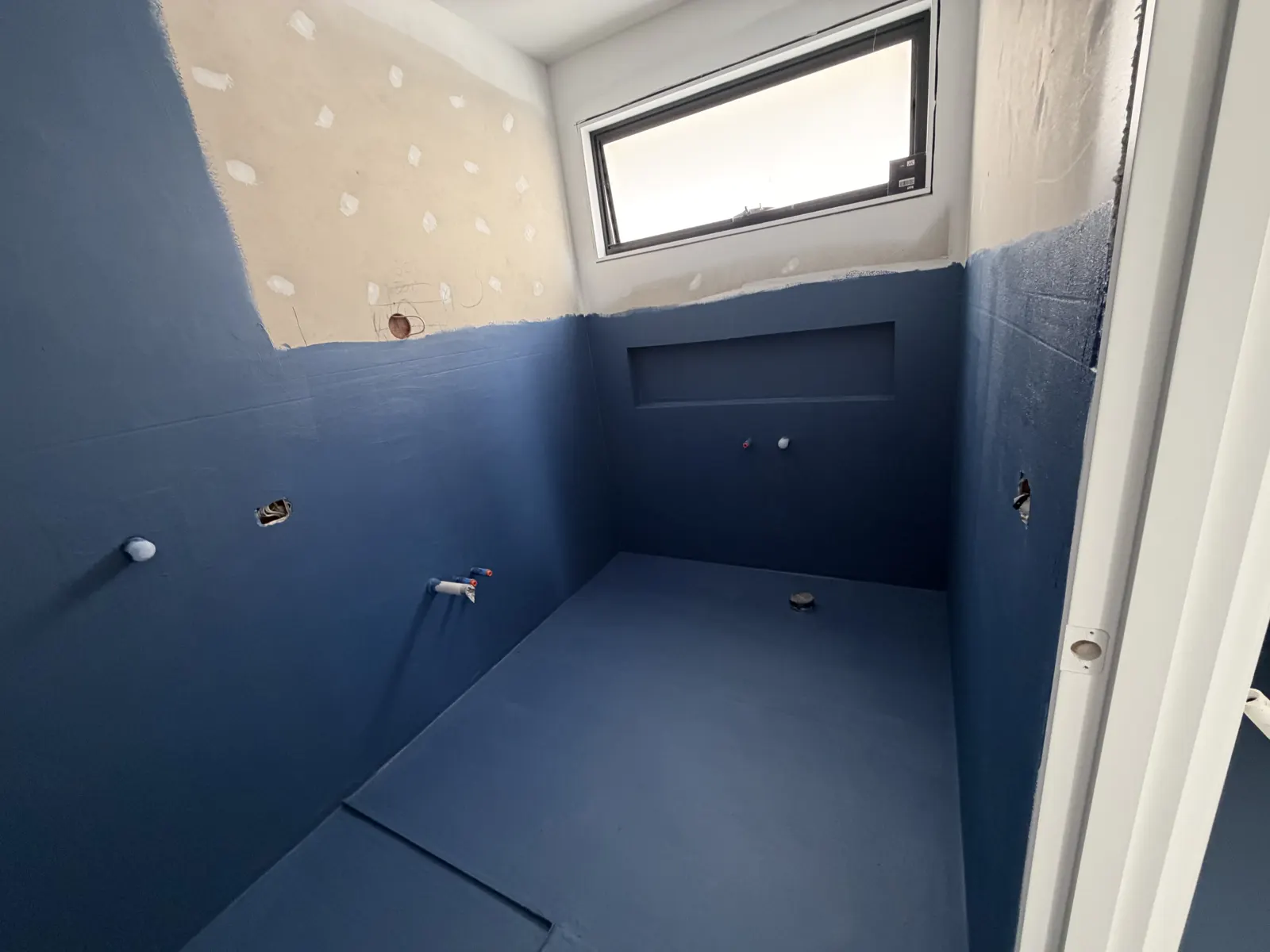
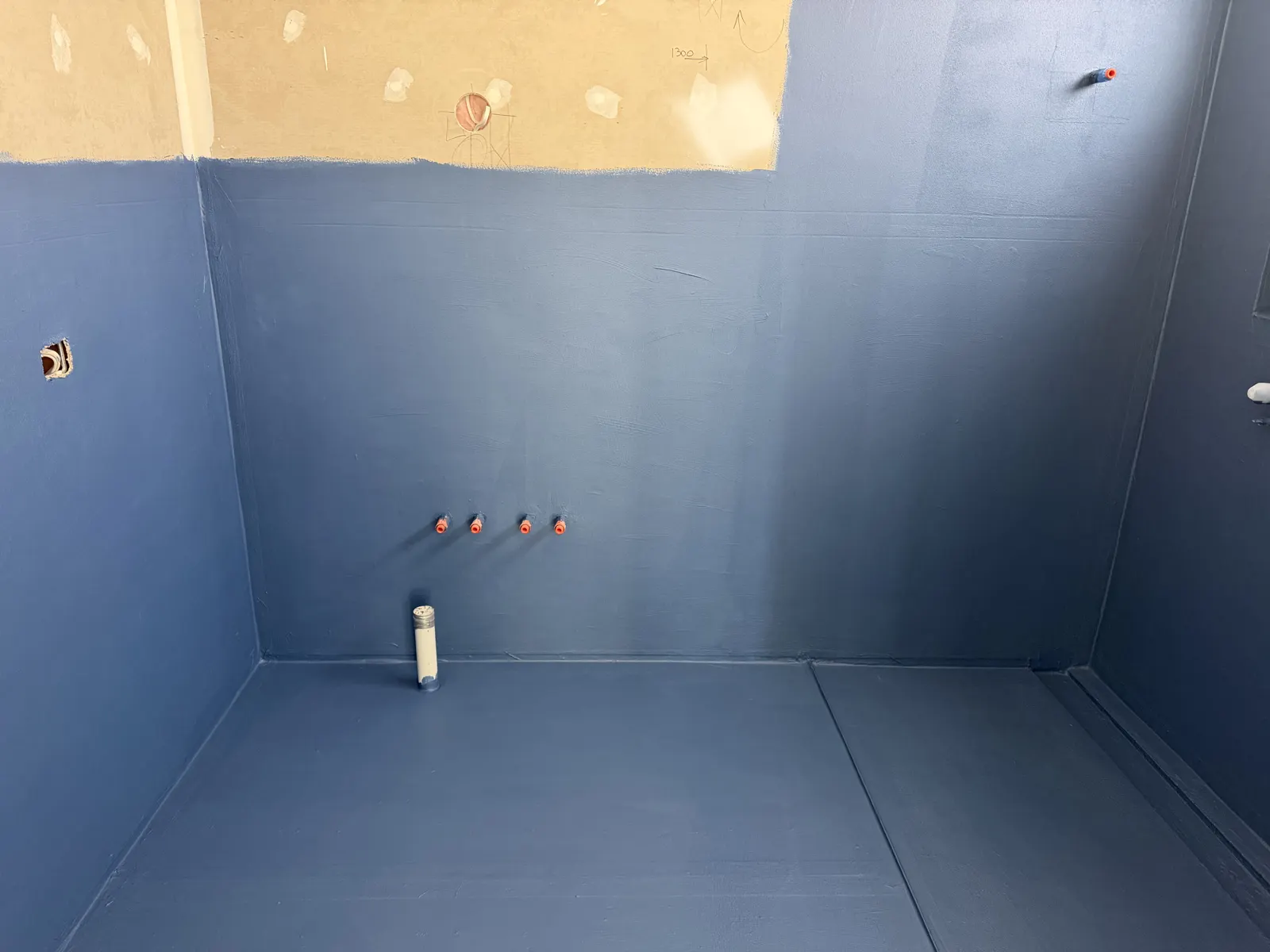
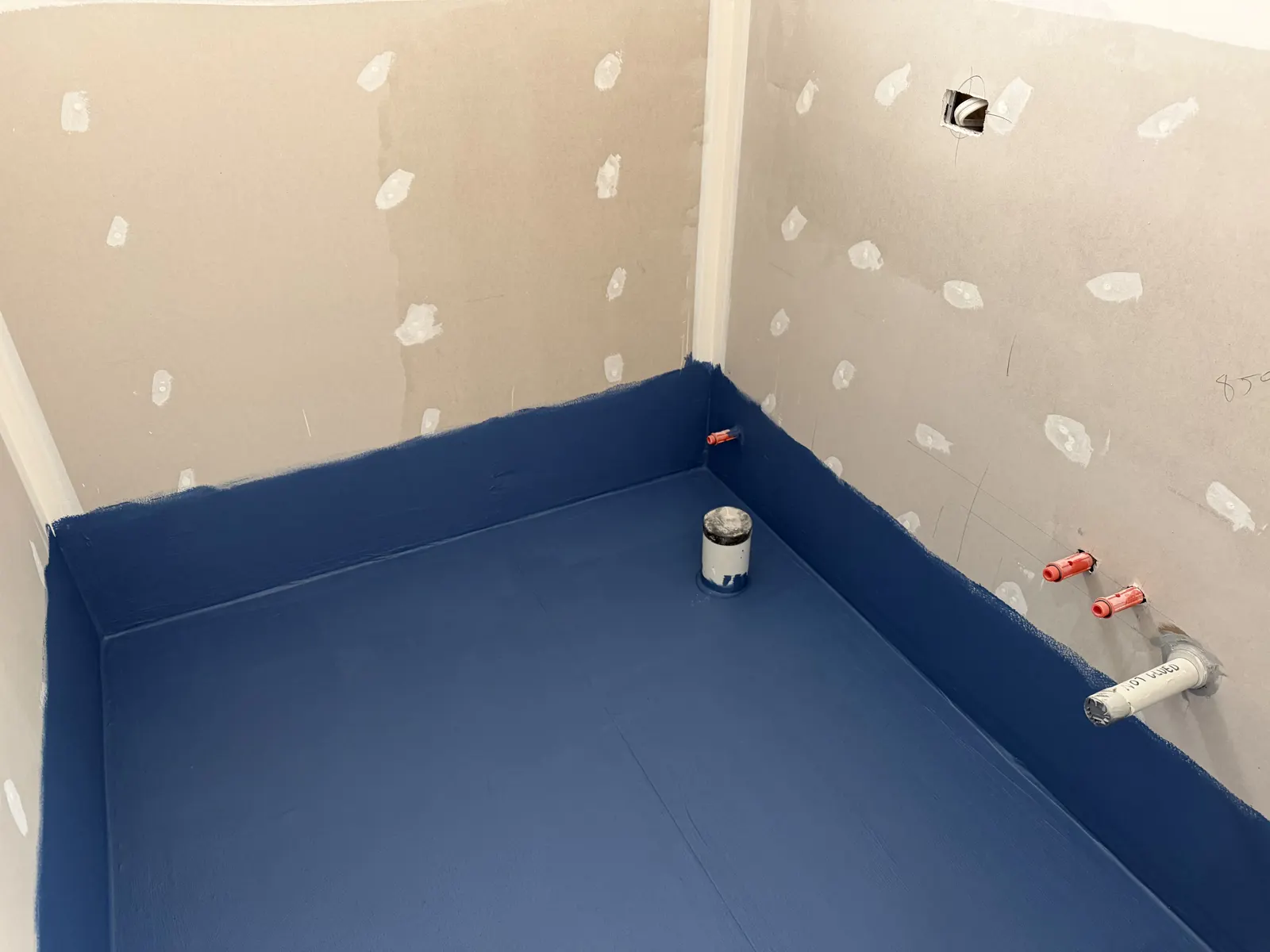
Before any tile goes down, a proper waterproofing membrane needs to fully cover the floor, run up every wall junction, and wrap cleanly around every penetration — pipes, wastes, hobs, and niches. This is the layer that does all the real work; the tiles on top are cosmetic by comparison.
Why Failures Happen
Most waterproofing failures we see trace back to one of a handful of causes: membrane that wasn't taken high enough up the wall, corners and penetrations that were rushed or skipped, incompatible products used together, or membrane applied over a substrate that wasn't properly prepared. None of these show up on the day — they show up years later, as one of the signs above.
What To Do If You Spot These Signs
Get it assessed before it gets worse. A membrane failure caught early can sometimes be repaired without a full re-tile. Left alone, it usually turns into a much larger job — stripping tiles, replacing damaged substrate, and re-waterproofing from scratch.
Worried About Your Bathroom or Balcony?
TN Stone provides waterproofing inspections and full membrane installation across Melbourne's western suburbs.
Get a Free Quote