Do Porcelain Tiles Need Sealing?
If you are researching porcelain tiles for a bathroom, kitchen or outdoor area, you have probably come across sealing advice aimed at natural stone and wondered whether the same applies. The short answer is that most porcelain tiles do not need sealing, but there are some exceptions worth understanding before you decide to skip this step altogether. This guide explains why porcelain behaves differently to natural stone, when sealing can still help, and how to keep porcelain tiles looking their best.
Key takeaways
- Most glazed and fully vitrified porcelain tiles do not require sealing because they are extremely dense and low-porosity by nature.
- Grout lines between porcelain tiles usually do need sealing (if cement-based), even though the tiles themselves do not.
- Some unglazed, textured or matte porcelain tiles can benefit from a light sealer to help with staining and grip, especially outdoors.
- Sealing porcelain incorrectly can occasionally cause a hazy residue on the surface, so it should not be applied as a default step without checking the tile type.
- Porcelain's low porosity is one of the main reasons it is popular for wet areas, kitchens and outdoor spaces across Australia.
Why porcelain tiles are different from natural stone
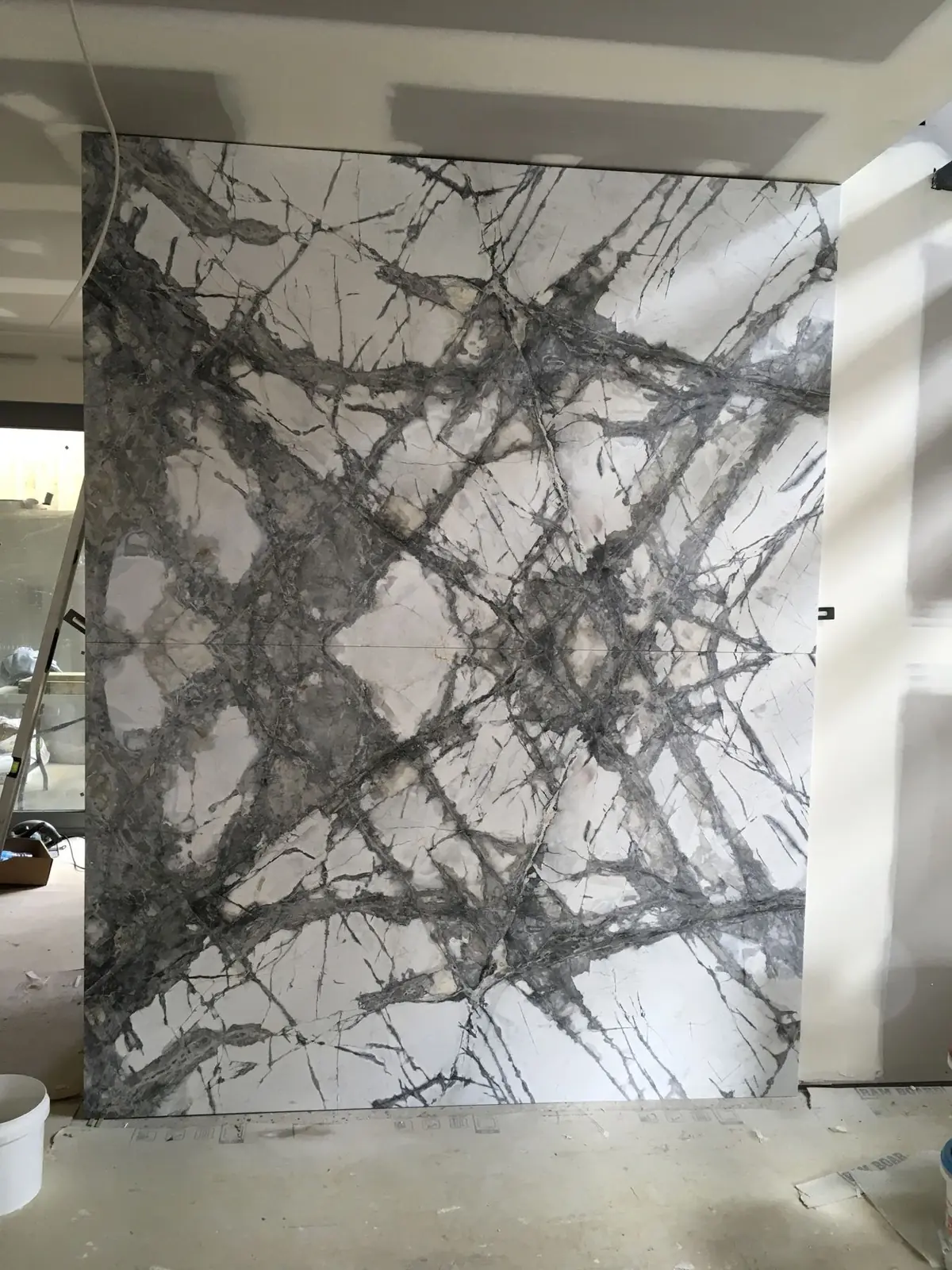
Porcelain tiles are manufactured from fine clay fired at very high temperatures, which makes them extremely dense and much less porous than most natural stone. This is the main reason porcelain does not need the same sealing routine as materials like marble, travertine or limestone, which naturally absorb moisture and stains unless protected with a sealer.
For a broader comparison of how different tile and stone materials perform, see Types of Stone and Tile Used in Australia.
Do you need to seal porcelain tiles?
| Porcelain tile type | Sealing needed? | Notes |
|---|---|---|
| Glazed porcelain | No | The glazed surface is already non-porous and does not absorb moisture or stains |
| Fully vitrified/polished porcelain | No | Extremely low porosity; sealing generally adds no benefit |
| Unglazed or matte porcelain | Sometimes | Can be slightly more porous; a light sealer may help with staining in some cases |
| Textured or outdoor porcelain pavers | Sometimes | Sealing can help with staining and make cleaning easier in exposed outdoor areas |
| Grout lines between porcelain tiles | Usually, if cement-based | Grout is porous even when the tile itself is not, so sealing the grout is still recommended |
When sealing porcelain tiles can still help
Unglazed and matte-finish porcelain
Some unglazed or heavily matte porcelain tiles have a slightly more open surface than a fully glazed finish. In these cases, a light-duty sealer designed for porcelain can offer some extra protection against staining, particularly in kitchens where oil, wine or food staining is a risk.
Outdoor porcelain pavers
Outdoor porcelain, especially textured anti-slip pavers used around pools and alfresco areas, can benefit from sealing to make ongoing cleaning easier and to reduce the risk of staining from leaf litter, dirt and general weather exposure. This is more about ease of maintenance than genuine water absorption, since most outdoor porcelain is still very low-porosity.
Highly polished porcelain in busy kitchens
While polished porcelain is inherently low-porosity, some installers still apply a protective sealer in busy kitchens as an extra safeguard against oil and acidic staining, particularly around benchtops and splashbacks that see heavy daily use.
Why grout still needs attention, even with porcelain tiles
A common misunderstanding is assuming that because porcelain tiles do not need sealing, the whole tiled area is maintenance-free. In reality, standard cement-based grout between porcelain tiles is still porous and can absorb moisture and stains over time. If your porcelain tiling uses cement grout, sealing the grout lines (not the tiles) is usually still worthwhile, particularly in showers and kitchens. For more detail on grout choice and performance, see Epoxy vs Cement Grout.
Pros and cons of sealing porcelain tiles
Potential benefits
- Extra stain protection: Useful for unglazed, matte or textured porcelain finishes.
- Easier cleaning outdoors: Can reduce how much dirt and grime cling to textured outdoor pavers.
- Peace of mind in high-use kitchens: An added layer of protection around benchtops and splashbacks.
Potential downsides
- Usually unnecessary: Most glazed and vitrified porcelain performs just as well without a sealer.
- Risk of surface haze: Applying the wrong sealer, or applying it incorrectly, can leave a cloudy residue that is difficult to remove.
- Added cost and time: An extra step that is often not needed for standard glazed porcelain.
How to check whether your porcelain tile needs sealing
- Check with the tile supplier or manufacturer: Many porcelain products come with clear guidance on whether sealing is recommended.
- Do a simple water test: Place a few drops of water on the tile surface. If it beads and sits on top without soaking in after several minutes, sealing is unlikely to be necessary.
- Consider the finish: Glazed and polished porcelain rarely need sealing; matte, unglazed or heavily textured porcelain is more likely to benefit.
- Ask your tiler during installation: They can advise based on the specific product and where it is being installed.
Porcelain sealing advice for homes in Melbourne's west
TN Stone installs porcelain tiling across kitchens, bathrooms, and outdoor areas throughout Melbourne's western suburbs, including Brookfield, Werribee, Caroline Springs, Footscray and surrounding areas. Outdoor porcelain paving is increasingly popular in newer estates around Werribee and Caroline Springs for alfresco areas and pool surrounds, where a light sealer is sometimes recommended purely to make ongoing upkeep easier against Melbourne's mix of rain, dust and seasonal debris.
When to call a professional
If you are unsure whether your porcelain tiles need sealing, or which product is appropriate for your specific tile finish, it is worth checking with a professional before applying anything. The wrong sealer on a low-porosity porcelain tile can cause a hazy film that is genuinely difficult to remove without professional stripping and cleaning.
TN Stone provides tiling and stone care advice across Melbourne and the western suburbs, including Brookfield, Werribee, Caroline Springs, Footscray and surrounding areas. If you need advice on porcelain tile sealing, cleaning or installation, contact TN Stone for advice or a quote.
Not sure if your porcelain tiles need sealing? Get a free, no-obligation assessment from TN Stone.
Request a Free QuoteFrequently asked questions
Do all porcelain tiles need sealing?
No. Most glazed and fully vitrified porcelain tiles do not need sealing because they are naturally very low-porosity. Some unglazed, matte or textured porcelain finishes can benefit from a light sealer.
Does sealing porcelain tiles improve grip in wet areas?
Sealing is mainly about stain protection rather than slip resistance. Slip performance depends more on the tile's surface texture and slip rating, which should be checked at the time of tile selection.
Can sealing porcelain tiles cause problems?
Yes, if the wrong sealer is used or it is applied to a tile that does not need it, this can sometimes leave a hazy or cloudy residue on the surface that is difficult to remove.
Do porcelain tile grout lines need sealing even if the tiles don't?
Often yes. Standard cement-based grout between porcelain tiles is still porous, so sealing the grout lines (rather than the tiles) is usually worthwhile in wet areas and kitchens.
Is outdoor porcelain paving more likely to need sealing than indoor porcelain?
Outdoor porcelain is often textured for slip resistance, and while it remains low-porosity, sealing can still make ongoing cleaning easier by reducing how much dirt and grime cling to the textured surface.