Types of Stone and Tile Used in Australia: A Practical Guide
Choosing the right material is one of the biggest decisions in any bathroom, kitchen, flooring or outdoor project. Different tile and stone types vary in durability, water absorption, maintenance, slip resistance, appearance and cost. In this guide, we explain the most common types of stone and tile used in Australia and where each one works best.
Key takeaways
- Porcelain is one of the most durable and water-resistant tile options for bathrooms, floors and outdoor areas.
- Ceramic is often a more affordable option for walls, splashbacks and lower-demand internal spaces.
- Natural stone such as marble, limestone, travertine and granite offers unique character but usually requires more maintenance and sealing.
- The best material depends on where it will be used, how much moisture and traffic it will handle, and how much maintenance you are comfortable with.
Why material choice matters
Not all tiles and stones perform the same way. Some materials are better suited to wet areas, some are better for high-traffic floors, and others are chosen mainly for their visual character.
Before choosing a material, it helps to think about:
- Water exposure
- Slip resistance
- Durability and wear
- Maintenance and sealing
- Budget and installation complexity
Main types of tile used in Australia
Porcelain tiles
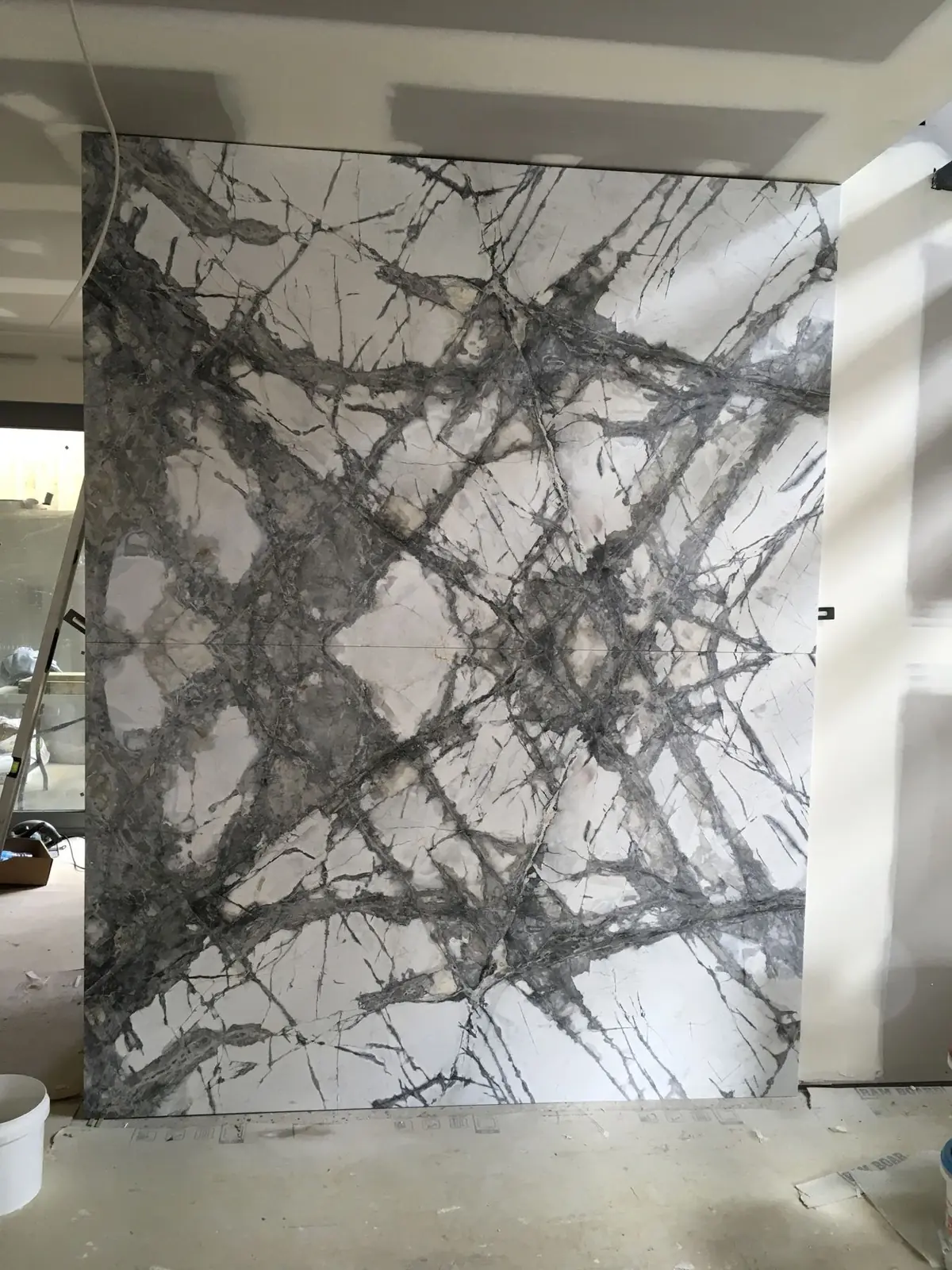
Porcelain is a dense, hard-wearing tile made from refined clay and fired at high temperatures. It is one of the most popular tile choices in Australia for bathrooms, kitchens, floors and outdoor areas because of its low water absorption and strong durability.
Best for: bathroom floors, shower areas, kitchens, high-traffic floors, outdoor tiling, large-format designs. See our Large Format Porcelain Installation service, or read our Porcelain vs Ceramic Tiles comparison.
Pros:
- Very low water absorption
- High durability and wear resistance
- Suitable for many wet areas and exterior applications
- Available in many finishes, including stone-look and concrete-look styles
Cons:
- Usually more expensive than ceramic
- Harder to cut and install
- Can require more specialised tools and labour
Ceramic tiles
Ceramic tiles are generally lighter and more affordable than porcelain. They are a practical choice for walls, splashbacks and lower-demand internal areas, and are available in a very wide range of styles and finishes.
Best for: bathroom walls, kitchen splashbacks, laundry walls, decorative features, lower-traffic internal spaces
Pros:
- Usually more budget-friendly
- Easier to cut and install
- Available in many colours, patterns and gloss levels
- Great for vertical surfaces and feature work
Cons:
- Higher water absorption than porcelain
- Not always the best choice for high-traffic floors or outdoor areas
- Generally less durable in demanding locations
Terrazzo tiles
Terrazzo tiles are made from chips of marble, quartz, granite or other materials set into a cement or resin base. They are popular in both contemporary and classic interiors because of their patterned, decorative appearance.
Best for: bathroom floors, feature areas, hallways, kitchens, statement interiors
Pros:
- Distinctive visual character
- Available in many colours and chip styles
- Works well in both modern and heritage-inspired designs
Cons:
- Can require sealing, depending on the product
- Some terrazzo surfaces can be more porous than porcelain
- Costs vary widely depending on finish and material quality
Terracotta tiles
Terracotta is a traditional clay-based tile known for its warm, earthy appearance. It is commonly used in rustic, Mediterranean and outdoor-inspired designs.
Best for: rustic interiors, alfresco settings, decorative floors, traditional-style homes
Pros:
- Warm, natural look
- Strong character and texture
- Suitable for certain indoor and outdoor design styles
Cons:
- Often very porous
- Usually requires regular sealing
- Can stain more easily than porcelain
Mosaic tiles
Mosaic tiles are small-format tiles mounted in sheets and available in ceramic, porcelain, glass, stone and mixed materials. They are often used for shower floors, splashbacks and feature details.
Best for: shower floors, splashbacks, niches, borders, feature walls
Pros:
- Good for curved or detailed areas
- More grout lines can improve slip resistance on shower floors
- Strong design flexibility
Cons:
- More grout joints means more cleaning and maintenance
- Installation can be more time-consuming
Main types of natural stone used in Australia
Marble

Marble is known for its distinctive veining and premium appearance. It is often used in high-end bathrooms, feature walls and statement surfaces.
Best for: feature walls, vanities, luxury bathrooms, decorative floors, fireplaces
Pros:
- Elegant and highly distinctive appearance
- Each slab or tile has unique variation
- Adds a premium look to interiors
Cons:
- Porous and more prone to staining
- Can scratch or etch more easily than harder stones
- Usually needs sealing and more careful maintenance
Granite
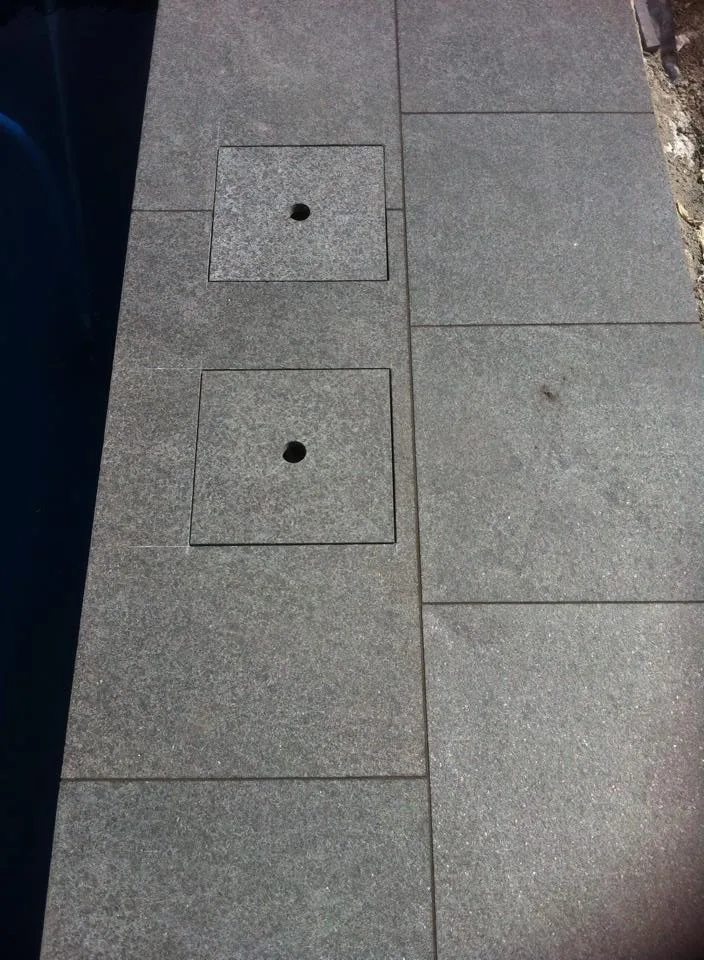
Granite is one of the hardest natural stones commonly used in residential and commercial projects. It is highly regarded for durability, heat resistance and lower maintenance compared with softer stones.
Best for: kitchen benchtops, high-traffic floors, external paving, commercial areas, durable wall and floor applications
Pros:
- Very durable and hard-wearing
- Good resistance to heat and staining
- Suitable for demanding areas
Cons:
- Heavier and often more expensive than many tiles
- Can still require sealing depending on finish and use
- Natural variation may not suit every design style
Limestone
Limestone is a softer natural stone with a more muted, refined appearance. It is widely used in coastal, contemporary and neutral-toned design schemes.
Best for: feature walls, indoor floors, alfresco areas, large-format stone looks, soft modern interiors
Pros:
- Soft, natural and sophisticated look
- Available in calm neutral tones
- Works well in many architectural and coastal designs
Cons:
- Softer than granite and more prone to wear
- Can stain and absorb moisture more easily
- Usually requires sealing and regular care
Travertine
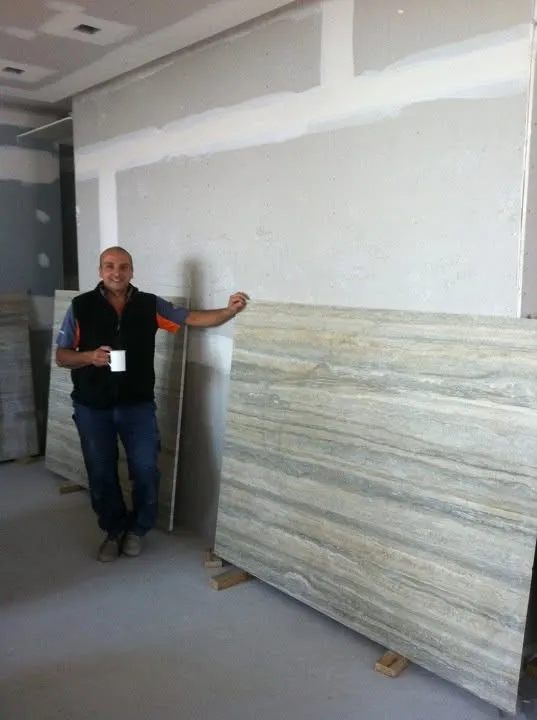
Travertine is a type of limestone known for its natural pits, texture and earthy appeal. It is very popular in Australian outdoor entertaining areas and pool surrounds.
Best for: pool surrounds, patios, alfresco areas, rustic or Mediterranean-style interiors
Pros:
- Warm, timeless appearance
- Popular for outdoor living spaces
- Can stay relatively cool underfoot in some settings
Cons:
- Porous and needs sealing
- Softer and more vulnerable to wear than harder stones
- Surface pits and texture may require more maintenance
Slate
Slate is a dense, textured natural stone often used where slip resistance and a more rugged look are preferred. It can work well indoors and outdoors depending on the product quality and finish.
Best for: outdoor paths, wet-area floors, rustic interiors, feature walls, textured flooring
Pros:
- Natural texture can improve slip resistance
- Durable and visually distinctive
- Works in both traditional and modern-rustic spaces
Cons:
- Some lower-quality slate can chip or split
- Usually still benefits from sealing
- Texture can make cleaning a bit more involved
Bluestone / basalt
Bluestone, often referred to as basalt in some contexts, is a dense, dark stone that suits many contemporary Australian landscapes and architectural styles. It is commonly used for paving, external steps and modern outdoor spaces.
Best for: driveways, stepping stones, pathways, pool surrounds, external paving, modern outdoor design
Pros:
- Dense and hard-wearing
- Strong modern Australian look
- Suitable for many external applications
Cons:
- Darker tones can show some residue or mineral marks depending on use
- Product quality and finish still matter for slip resistance and maintenance
Sandstone
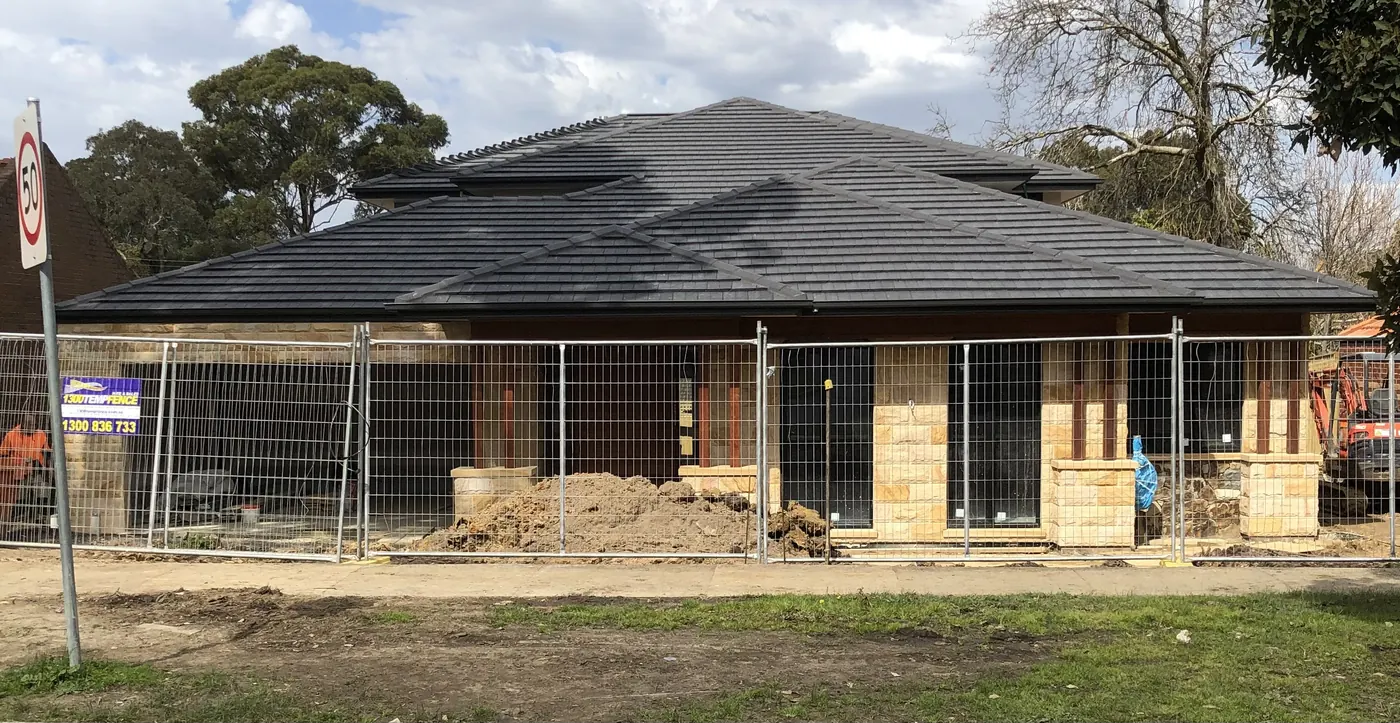
Sandstone is a softer, more textured natural stone often used in traditional and landscape-focused projects. It has a warm, earthy look that suits many Australian outdoor spaces.
Best for: pathways, garden walls, feature facades, rustic paving, heritage-style exteriors
Pros:
- Natural warmth and character
- Commonly used in traditional outdoor designs
- Textured appearance can work well in landscaping
Cons:
- Softer than denser stones
- Can absorb moisture and weather over time
- Usually needs sealing and appropriate maintenance
Natural stone vs manufactured tile
In simple terms, manufactured tiles such as porcelain and ceramic are usually easier to maintain and more predictable in performance. Natural stone offers more unique character and variation, but it often comes with more maintenance and care requirements.
If you want lower maintenance and strong moisture performance, porcelain is often the practical choice. If you want a premium, natural and more individual look, stone may be worth the extra maintenance and cost. TN Stone works with natural stone across Melbourne — see our Stonemason and Stone Benchtops pages.
Best materials for common project types
| Project type | Recommended materials | Why |
|---|---|---|
| Bathroom floor | Porcelain, some stone, mosaic | Needs moisture resistance, slip awareness and durability |
| Bathroom wall | Ceramic, porcelain, marble | Less wear than floors, more design flexibility |
| Shower floor | Porcelain mosaic, some textured stone | Needs wet-area suitability and slip resistance |
| Kitchen splashback | Ceramic, porcelain, mosaic | Decorative and easier-clean wall application |
| Kitchen floor | Porcelain, granite-look porcelain, some stone | Needs durability and stain resistance |
| Outdoor patio or alfresco | Outdoor-rated porcelain, travertine, bluestone | Needs weather performance and slip-appropriate finish |
| Luxury feature wall | Marble, limestone, porcelain slab, mosaic | Visual impact and texture matter most |
What else to consider before choosing
- Slip resistance: especially for bathrooms, pool areas and outdoor paving.
- Finish: polished, honed, matte, textured and filled finishes all perform differently.
- Sealing requirements: many natural stones need sealing, while porcelain usually does not.
- Grout selection: the right grout affects maintenance, stain resistance and overall finish — see our grouting guide.
- Installation quality: even premium material can fail if the substrate, waterproofing or laying method is poor.
When to call a professional tiler or stonemason
Material choice is not just about appearance. Wet-area suitability, substrate preparation, expansion, drainage, cutting complexity, sealing requirements and long-term maintenance all need to be considered before installation begins.
TN Stone provides tiling, stonemasonry and waterproofing services across Melbourne and the western suburbs, including Brookfield, Werribee, Caroline Springs, Footscray and surrounding areas.
Common questions
See all FAQs →Not sure which tile or stone suits your project? Get a free, no-obligation quote from TN Stone.
Request a Free QuoteFrequently asked questions
What is the most durable tile for bathrooms?
Porcelain is often one of the most durable and practical choices for bathroom floors and wet areas because of its low water absorption and strong wear resistance.
What natural stone needs the most maintenance?
Softer and more porous stones such as marble, limestone and travertine often need more sealing and care than harder stones like granite.
Is natural stone better than porcelain?
Not necessarily. Natural stone offers a more unique and premium look, while porcelain is often easier to maintain and more predictable in wet and high-use areas.
What is best for outdoor paving in Australia?
Outdoor-rated porcelain, travertine, bluestone and some other dense natural stones are all common choices, depending on the project, finish and slip-resistance needs.
Do all natural stones need sealing?
Many natural stones benefit from sealing, especially porous materials such as marble, limestone, travertine and sandstone.