Granite vs Engineered Stone Benchtops in Australia
Granite and engineered stone have both been popular benchtop choices in Australian kitchens and bathrooms, but they are very different materials. Granite is a natural stone with unique variation, while engineered stone is a manufactured product designed for a more consistent appearance. In this guide, we compare granite vs engineered stone benchtops, including durability, maintenance, heat resistance, appearance and the current Australian rules around engineered stone.
Important note for Australia
In Australia, the manufacture, supply, processing and installation of engineered stone benchtops, panels and slabs covered by the national ban became prohibited from 1 July 2024. Engineered stone benchtops, slabs and panels also became prohibited imports from 1 January 2025.
This means homeowners researching benchtops today should be aware that many engineered stone products that were previously common in Australian kitchens are now banned. Existing engineered stone already installed in homes does not need to be removed simply because it is installed, but it should not be cut, drilled or modified without the correct controls and qualified tradespeople.
Key takeaways
- Granite is a natural stone known for durability, heat resistance and unique visual variation.
- Engineered stone was known for a consistent appearance and lower routine maintenance, but many products are now banned in Australia.
- Granite usually needs sealing, while engineered stone was generally promoted as non-porous and lower-maintenance.
- For current Australian projects, it is important to check legal product availability and consider alternatives such as natural stone, porcelain or compliant low-silica options where permitted.
What is granite?
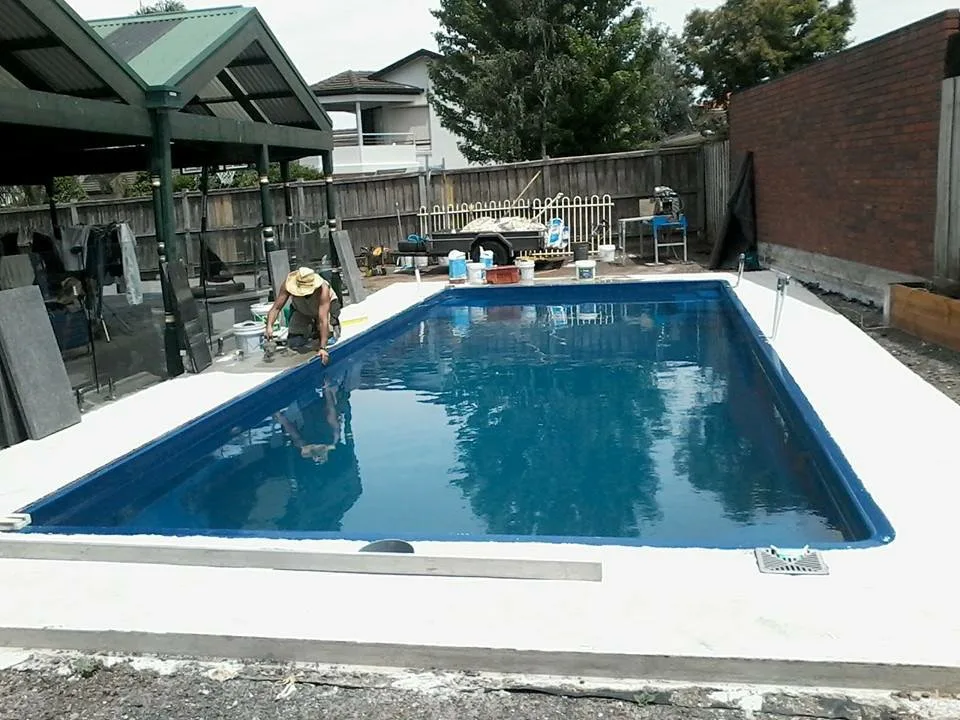
Granite is a natural igneous stone formed over time in the earth and cut into slabs for benchtops and other surfaces. It is one of the hardest natural stones commonly used in homes and is valued for its strength, natural patterning and strong heat performance.
Because granite is a natural product, every slab is different. Variation in colour, veining and mineral pattern is part of the appeal. See our Stone Benchtops service page for granite fabrication and installation.
What is engineered stone?
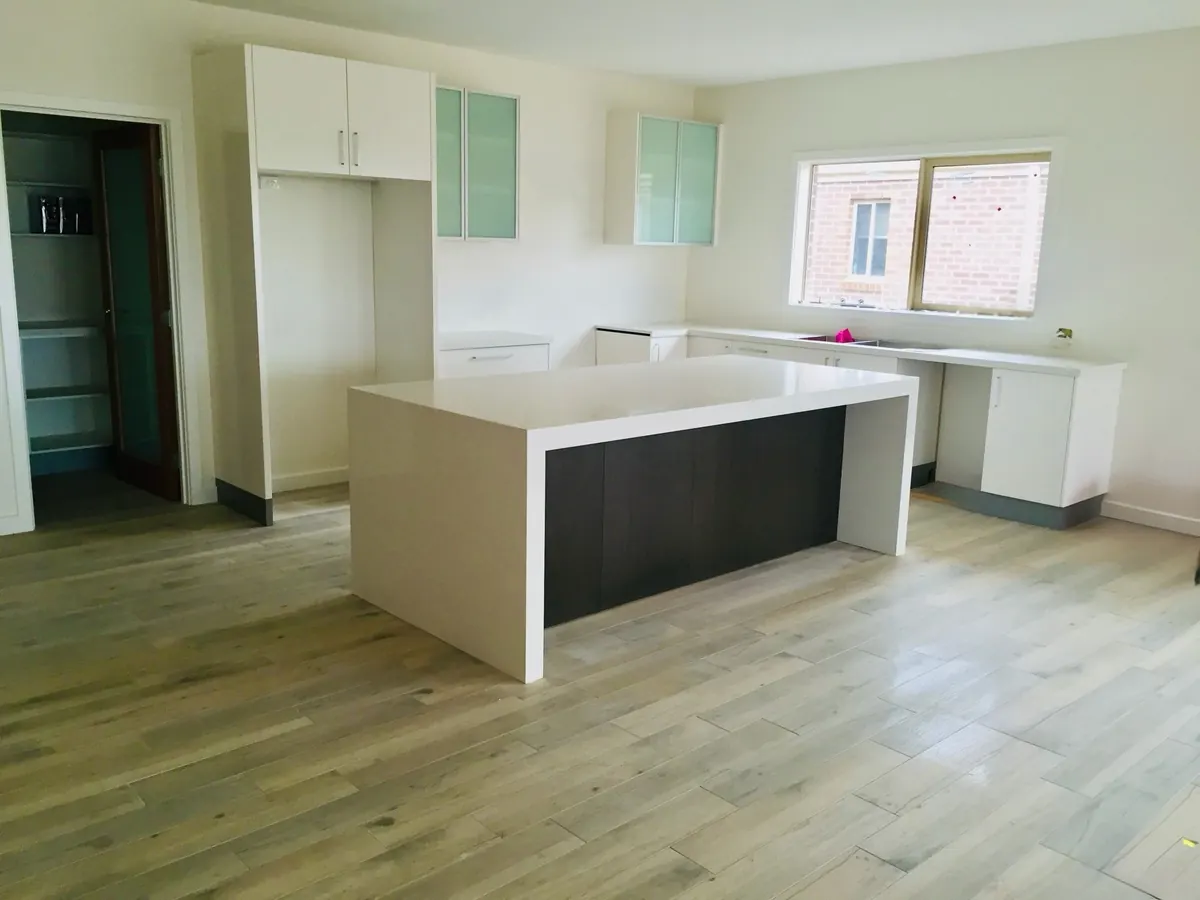
Engineered stone is a manufactured material made by combining stone aggregates with resins, pigments and other ingredients, then forming that mixture into slabs. It became popular because it offered a more uniform look, broad colour choice and lower porosity compared with some natural stones.
However, many engineered stone products have been banned in Australia due to the health risks associated with crystalline silica dust generated during processing.
Granite vs engineered stone at a glance
| Feature | Granite | Engineered stone |
|---|---|---|
| Material type | Natural stone | Manufactured stone-based product |
| Appearance | Natural variation, one-of-a-kind slabs | More uniform and consistent look |
| Heat resistance | Generally excellent | More sensitive to heat because of resin content |
| Maintenance | Usually needs sealing and ongoing care | Was generally promoted as lower-maintenance |
| Stain resistance | Good, but depends on sealing and stone type | Generally strong due to non-porous surface |
| Uniqueness | High; every slab is different | Lower; designed for consistency |
| Availability in Australia | Available | Many products now banned or restricted |
Pros and cons of granite benchtops
Advantages of granite
- Natural beauty: every slab has its own pattern and variation.
- Strong durability: granite is one of the harder natural stone benchtop options.
- Excellent heat resistance: generally performs better around hot cookware than resin-based surfaces.
- Long lifespan: with proper sealing and care, granite can perform for many years.
- Good for indoor and some outdoor use: often better suited to outdoor or semi-outdoor kitchens than resin-based materials.
Disadvantages of granite
- Needs sealing: not maintenance-free and often requires periodic sealing.
- Natural variation: some clients love this, while others prefer a more controlled appearance.
- Can still chip or stain: especially at edges or if poorly maintained.
- Usually a premium product: cost can vary depending on slab choice, finish and fabrication complexity.
Pros and cons of engineered stone benchtops
Advantages engineered stone was known for
- Consistent appearance: offered a more uniform colour and pattern than natural granite.
- Lower porosity: commonly marketed as a low-maintenance benchtop option.
- Wide design range: many colours and styles were available.
Disadvantages and current concerns
- Australian ban: many engineered stone products are no longer legal to manufacture, supply, process or install in Australia.
- Heat sensitivity: resin-bound products can be more vulnerable to heat damage than granite.
- Less natural variation: some homeowners find the look too uniform.
- Silica-related health risks during processing: this is the core reason for the Australian prohibition.
Which is better for heat resistance?
Granite is generally the better performer around heat. As a natural stone without resin binders, it is typically more tolerant of hot cookware and thermal exposure than engineered stone surfaces that rely on resins.
Even so, using trivets or heat protection is still smart for any premium benchtop surface. See our Natural Stone Benchtop Care and Maintenance guide for daily care tips.
Which is easier to maintain?
Historically, engineered stone was often promoted as the lower-maintenance option because it was non-porous and did not usually need sealing. Granite requires more upkeep, particularly sealing and sensible cleaning habits.
That said, many homeowners are happy to accept a little more maintenance in exchange for granite's natural look, longevity and heat performance.
Which is better for appearance?
This depends entirely on taste. If you want natural movement, unique mineral pattern and a one-of-a-kind slab, granite is often the better choice. If you prefer a cleaner, more controlled and uniform appearance, engineered stone used to appeal strongly for that reason.
Today, many homeowners looking for a consistent modern look are also comparing granite with porcelain slabs and other alternative surfaces, not just engineered stone.
What does the engineered stone ban mean for homeowners?
The key point is that existing engineered stone already installed in a home is not automatically unsafe just because it is there. Guidance from Australian safety authorities says installed products do not pose a health risk as long as they remain undisturbed.
The real risk arises when engineered stone is cut, drilled, polished or otherwise processed in a way that can release crystalline silica dust. That is why the manufacture, supply, processing and installation of covered engineered stone products has been banned.
What work on existing engineered stone is still allowed?
Removal, repair, modification and disposal of engineered stone that was installed before 1 July 2024 is still permitted in Victoria. A licence is no longer required for this work, and it does not need to be notified to WorkSafe.
That does not mean it can be treated as ordinary benchtop work. Any work on engineered stone is classified as high risk crystalline silica work under the OHS Regulations, and specific controls apply:
- Cutting, grinding and abrasive polishing with power tools is prohibited unless on-tool water suppression or dust extraction is in place, together with respiratory protection.
- Where water suppression or dust extraction is not reasonably practicable, local exhaust ventilation must be used instead.
- A crystalline silica hazard control statement must be prepared before the work begins.
- Employers carrying out this work have ongoing health monitoring obligations for their workers.
If you are having an existing engineered stone benchtop removed or altered, it is worth asking the contractor how they will control silica dust, and confirming they have a hazard control statement for the job.
One further point that catches people out: an engineered stone benchtop can be temporarily removed and reinstalled in the same place, but it cannot legally be taken out and installed somewhere new.
Current requirements are published by WorkSafe Victoria. Rules differ between states, so check your local regulator if the work is outside Victoria.
Can you still choose engineered stone in Australia?
You need to be very careful with terminology and product claims. Some alternative benchtop products may be marketed in ways that sound similar to engineered stone, but the legal status depends on how the product is made and whether it falls within the ban or an excluded category.
If you are choosing a benchtop today, confirm the exact material with your supplier and fabricator and ask whether it is compliant with current Australian rules. Materials specifically excluded from the ban include ceramic wall and floor tiles, porcelain products that do not contain resin, and some sintered stone products that do not contain resin.
Best choice for different project priorities
| Priority | Better fit | Why |
|---|---|---|
| Natural look and variation | Granite | Every slab is unique |
| Heat resistance | Granite | Generally stronger around hot cookware |
| Lower routine maintenance | Engineered stone historically, but availability is now restricted | Non-porous surface was a major selling point |
| Outdoor or semi-outdoor kitchens | Granite | Natural stone is often better suited than resin-based surfaces |
| Current legal availability in Australia | Granite | Widely available and not subject to the engineered stone ban |
What should homeowners consider instead?
For current Australian renovations, many homeowners now compare granite with other alternatives such as porcelain slabs, natural quartzite, marble, and other compliant surfaces rather than relying on the old granite-versus-engineered-stone decision alone.
The best option depends on your priorities around maintenance, heat resistance, natural variation, budget, edge detailing and whether the project is indoors or outdoors.
When to call a professional
Benchtop material selection is about more than colour and price. Fabrication method, edge profile, support, cut-outs, splashback transitions, maintenance expectations and legal product compliance all matter.
TN Stone provides tiling, stonemasonry and surface advice across Melbourne and the western suburbs, including Brookfield, Werribee, Caroline Springs, Footscray and surrounding areas.
Common questions
- How much do stone benchtops cost in Melbourne?
- What replaced engineered stone benchtops?
- What is granite best used for?
Choosing between granite and other compliant benchtop materials? Get a free, no-obligation quote from TN Stone.
Request a Free QuoteFrequently asked questions
Is engineered stone banned in Australia?
Many engineered stone benchtops, panels and slabs are banned in Australia. The ban on manufacture, supply, processing and installation started on 1 July 2024, and banned imports started on 1 January 2025.
Do I need to remove existing engineered stone benchtops?
No. Existing installed engineered stone does not need to be removed just because it is installed, as long as it remains undisturbed.
Is granite better than engineered stone?
Granite is generally better for natural appearance, heat resistance and current legal availability in Australia. Engineered stone was often chosen for consistency and lower maintenance, but the Australian ban changes the comparison significantly.
Does granite need sealing?
In many cases, yes. Granite is more durable than some softer stones, but it is still slightly porous and often benefits from periodic sealing.
What are alternatives to engineered stone?
Common alternatives include granite, porcelain, quartzite, marble and other compliant benchtop materials depending on the application and supplier.