Stone Sealers Explained: What They Do and When to Use Them
If you are using natural stone in a kitchen, bathroom, outdoor area or feature wall, sealing is one of the most important parts of long-term care. The right sealer can help reduce staining, slow moisture absorption and make cleaning easier. In this guide, we explain the main types of stone sealers used in Australia, what they do, where they work best and what they cannot do.
Key takeaways
- Penetrating or impregnating sealers protect from within the stone and are commonly preferred for natural stone benchtops and many premium stone surfaces.
- Topical or coating sealers form a film on top of the surface and can change sheen, appearance and sometimes slip resistance.
- Sealers help reduce staining and water absorption, but they do not make stone completely stain-proof or damage-proof.
- The best sealer depends on the material, finish, location and use case, not just the name on the label.
Why stone needs sealing
Many natural stones are porous to some degree. That means liquids, oils and dirt can enter the surface over time, especially if the material is left unsealed or the existing sealer has worn down.
Sealing helps reduce how quickly those substances are absorbed. This gives you more time to clean spills and helps reduce long-term staining and maintenance problems.
What a stone sealer does
A stone sealer is designed to improve the surface's resistance to moisture, oil and staining substances. In many cases, it also makes routine cleaning easier because dirt and spills sit on the surface longer instead of soaking in as quickly.
However, a sealer is not a permanent barrier and it is not a substitute for proper care. Acidic spills, strong cleaners, impact damage, heat stress and poor maintenance can still damage sealed stone.
Main types of stone sealers
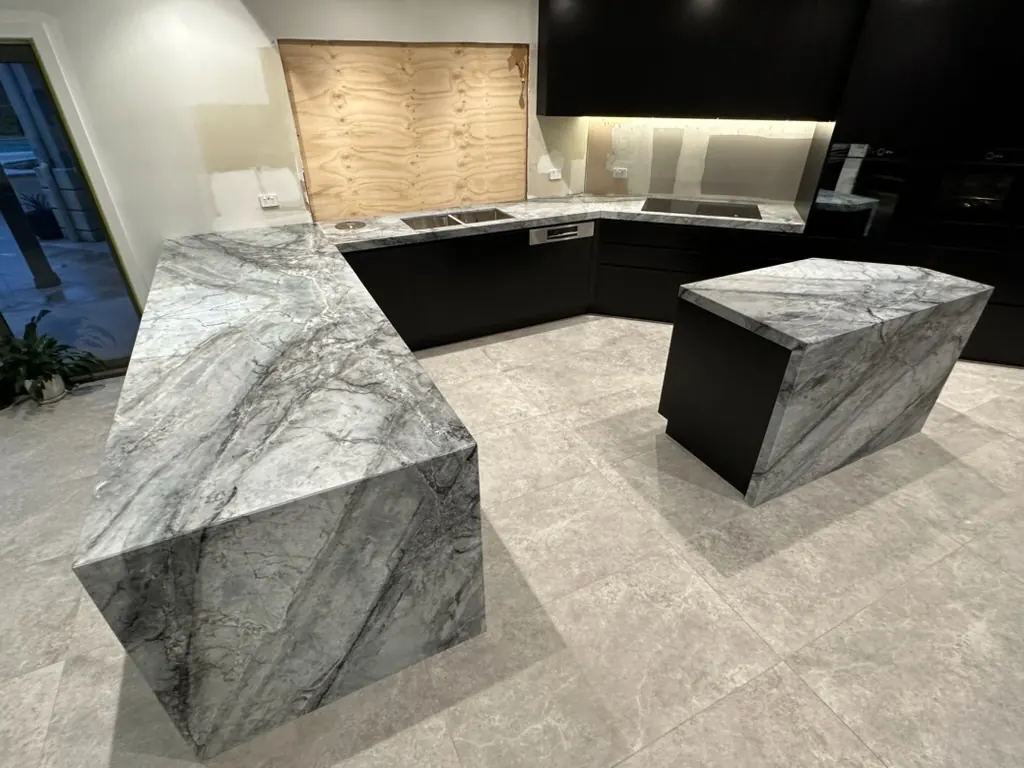
1. Penetrating or impregnating sealers
Penetrating sealers, also called impregnating sealers, soak into the pores of the stone rather than sitting mainly on top. They provide internal protection while usually leaving the natural appearance of the stone largely unchanged.
These are often the preferred choice for natural stone benchtops, premium floor tiles and many internal stone applications because they do not usually leave a visible film and they allow the material to retain a more natural look.
Common benefits of penetrating sealers:
- Help reduce water and oil absorption
- Usually keep a more natural finish
- Do not usually create a thick surface film
- Often suitable for many high-end stone applications
2. Topical or coating sealers
Topical sealers sit on the surface and form a protective coating or film. They can add sheen or create a more visible protective layer, but they can also change the appearance and feel of the surface.
These are more commonly used in situations where a surface coating is actually desired, such as some porous textured materials, lower-cost surfaces or applications where appearance enhancement is part of the goal.
Common characteristics of topical sealers:
- Create a film on the surface
- May change sheen or colour depth
- Can wear, scuff or peel over time
- May be less suitable for some premium benchtops and some breathable stone applications
3. Enhancing sealers
Enhancing sealers are designed to both protect the stone and deepen or enrich its colour. They are often chosen when the owner wants a darker or "wet look" appearance.
These can work well on some materials, but because they intentionally change the look, testing first is important before full application.
Penetrating vs topical sealers at a glance
| Feature | Penetrating / impregnating sealer | Topical / coating sealer |
|---|---|---|
| Where it works | Inside the pores of the stone | On the surface of the stone |
| Appearance change | Usually minimal | Can alter sheen or look |
| Breathability | Usually better for natural stone breathability | Can reduce breathability depending on product |
| Wear pattern | Often more gradual decline | Can scuff, peel or wear unevenly |
| Typical best use | Benchtops, internal stone, premium natural stone, many porous tiles | Some textured surfaces, appearance-enhancing applications, select interior surfaces |
Which sealer is best for benchtops?
For many natural stone benchtops, penetrating or impregnating sealers are usually the preferred option. They help protect the stone while preserving a more natural finish and avoiding the issues that can come with film-forming surface coatings.
Topical sealers are generally less common for premium kitchen benchtops because coatings can scuff, wear unevenly, or interfere with the natural look and feel of the stone. See our Kitchen Benchtop Sealers in Australia guide for benchtop-specific recommendations.
Which sealer is best for floors, walls and outdoor areas?
It depends on the material and finish. Dense natural stone or premium stone-look surfaces often suit penetrating sealers, while some porous textured materials may use topical or enhancing products where appearance and surface behaviour are part of the design goal.
For outdoor stone, breathability, UV exposure, moisture movement and slip resistance all matter. Some film-forming products are less suitable outside because they can wear, yellow or trap moisture depending on the material and conditions.
Water-based vs solvent-based sealers
Many stone sealers are also described as water-based or solvent-based. This usually refers to the carrier system used to deliver the active ingredients into or onto the stone.
The best option depends on the product, the stone and the intended use. High-quality products in either category can perform well when they are suitable for the application and applied correctly.
What sealers can and cannot do
| What sealers help with | What sealers do not prevent completely |
|---|---|
| Slowing water absorption | Etching from acids on marble or limestone |
| Reducing oil penetration | Heat damage from hot cookware |
| Making spills easier to clean | Scratches or impact chips |
| Supporting easier maintenance | Damage from harsh chemical cleaners |
| Reducing staining risk | Neglect or long-standing contamination |
Which materials often need sealing?
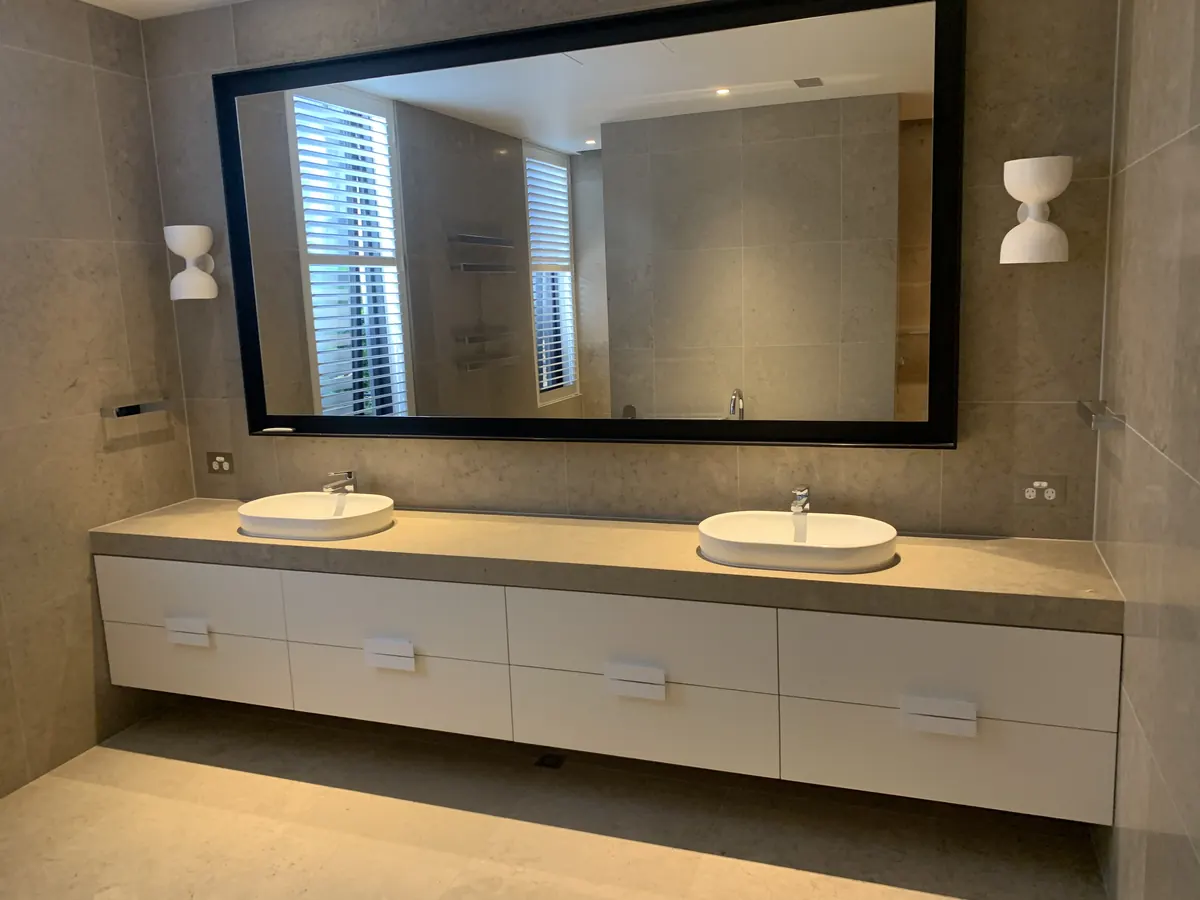
Many natural stones benefit from sealing, especially:
- Marble
- Limestone
- Travertine
- Granite
- Some slate and sandstone products
By contrast, porcelain generally does not need sealing in the same way natural stone does, although grout and some textured finishes may still need attention depending on the installation. See our Types of Stone and Tile Used in Australia guide for how these materials compare.
How often should stone be resealed?
There is no universal timeline. Resealing depends on the porosity of the stone, the finish, the location, the product used and how heavily the surface is exposed to spills, moisture and cleaning.
High-use areas such as kitchens and entries may need more frequent checks than low-use decorative surfaces. A simple water-drop test can help show whether the surface is still resisting absorption well.
How to tell if sealer is wearing off
- Water no longer beads on the surface
- The stone darkens quickly when wet
- Spills absorb faster than before
- The surface becomes harder to clean
- Staining becomes more common
Common mistakes to avoid
- Using the wrong sealer for the material: not every product suits every stone.
- Assuming all sealers are invisible: some topical products change sheen or colour.
- Applying sealer to dirty or damp stone: this can trap residue or moisture.
- Forgetting that sealers wear over time: maintenance still matters.
- Thinking sealer stops acid damage: it does not fully prevent etching on acid-sensitive stone.
When to get professional advice
Choosing a sealer is not just about buying a bottle off the shelf. The right product depends on the stone type, porosity, finish, location and whether you want a natural or enhanced appearance.
TN Stone provides tiling, stonemasonry and surface advice across Melbourne and the western suburbs, including Brookfield, Werribee, Caroline Springs, Footscray and surrounding areas.
Common questions
See all FAQs →Not sure which sealer suits your stone? Get a free, no-obligation quote from TN Stone.
Request a Free QuoteFrequently asked questions
What is the difference between penetrating and topical stone sealer?
Penetrating sealer soaks into the stone's pores and usually keeps the natural look, while topical sealer sits on the surface and creates a coating or film.
What is the best sealer for natural stone benchtops?
In many cases, an impregnating or penetrating sealer is the preferred option because it protects without creating a heavy surface coating.
Do all stones need sealing?
No, but many natural stones benefit from it. Porcelain usually does not need sealing in the same way, while materials such as marble, limestone, travertine and granite often do.
How often should stone sealer be reapplied?
It depends on the stone, finish, use and product. High-use or more porous surfaces usually need more frequent checks.
Can a sealer stop marble from etching?
Not completely. Sealers help reduce absorption and staining, but acidic products can still etch acid-sensitive stones like marble and limestone.